
The Parkinson’s Pandemic: Protecting Ourselves From Toxic Burden
Posted October 14th, 2026
The growing connection between environmental toxins, Parkinson’s disease, and the importance of supporting your body’s natural detoxification systems.
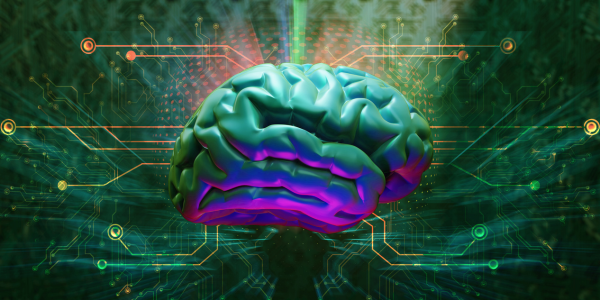
What if the dramatic rise in Parkinson’s disease isn’t simply a consequence of aging or genetics, but also reflects the increasing toxic burden of our modern environment?
A compelling study published in the Journal of Parkinson’s Disease, titled “The Emerging Evidence of the Parkinson Pandemic,” raises this important question. Researchers reported that the number of people living with Parkinson’s disease more than doubled between 1990 and 2015, reaching over six million worldwide. They projected that number could exceed 12 million by 2040.
Perhaps most concerning is the growing evidence connecting environmental toxins to this neurological epidemic.
The Toxic Burden Connection
Every day, our bodies encounter chemicals through the air we breathe, the water we drink, the food we eat, and the products we use.
Researchers have identified several environmental exposures associated with increased Parkinson’s risk, including:
- Pesticides and herbicides, particularly certain chemicals used in agriculture.
- Industrial solvents, including trichloroethylene (TCE), historically used in degreasing and dry cleaning.
- Air pollution, including fine particulate matter that may contribute to inflammation and oxidative stress.
These exposures may damage mitochondria—the energy-producing structures within our cells—and contribute to processes involved in neurodegeneration.
Although genetics and aging play important roles, environmental exposures may represent an important, potentially modifiable piece of the puzzle.
Why Supporting Detoxification Matters
From a functional medicine perspective, these findings reinforce an essential principle: What we are exposed to matters, and so does our body’s ability to process and eliminate harmful substances.
Our liver, kidneys, gastrointestinal tract, and other systems continuously work to metabolize and remove waste products and certain environmental chemicals.
Supporting these natural processes begins with foundational habits:
- Eating nutrient-dense foods rich in antioxidants and fiber.
- Staying adequately hydrated (80-100oz per day).
- Maintaining regular bowel movements.
- Getting restorative sleep and consistent physical activity.
- Reducing exposure to pesticides, solvents, and unnecessary household chemicals.
A Proactive Approach to Brain Health
At our functional medicine practice, we believe prevention begins with understanding the whole person, including lifestyle, nutrition, environmental exposures, and individual health risks.
Our goal isn’t simply to support the body’s natural detoxification processes—it’s to reduce unnecessary toxic exposure in the first place.
If you’re concerned about your environmental exposures or long-term neurological health, schedule a consultation with our office. Together, we can explore practical, individualized strategies to support healthier aging and lifelong brain health.
Research spotlight: Dorsey ER, et al. The Emerging Evidence of the Parkinson Pandemic. Journal of Parkinson’s Disease. 2018;8(S1)–S8. Read the original study.
You may be interested in...
The Parkinson’s Pandemic: Protecting Ourselves From Toxic Burden
Posted
Start Now, Feel Better by the Holidays
Posted September 13th, 2026
A Better, Easier Way to Get Your Supplements
Posted September 7th, 2026

Why Better Sleep Matters More Than You Might Think
Posted July 27th, 2026
Bio-identical Hormones and Mental Clarity
Posted June 19th, 2026