
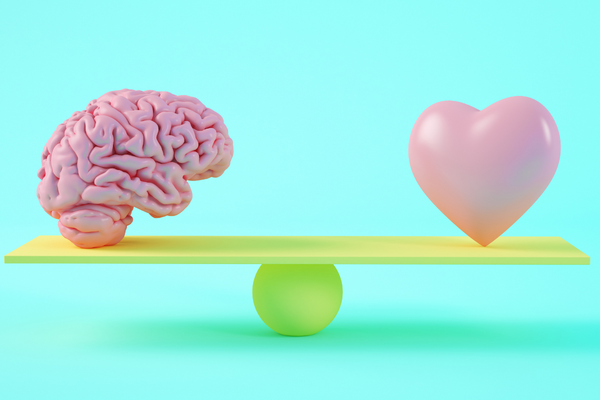
The Neuroscience of Intimacy: Why Men and Women Experience Desire Differently
Posted February 17th, 2026
Many couples come into our office asking the same quiet question: Why have we become so out of sync when it comes to intimacy? One partner may feel ready and eager, while the other needs time, emotional connection, or space to unwind. It can feel confusing—or even personal—but much of this disconnect is rooted in the differences between our brains and hormones.
Understanding these differences doesn’t create distance. In fact, it often does the opposite. When we stop assuming our partner should respond the way we do, intimacy becomes more relaxed, more compassionate, and far more satisfying.
Two brains, two pathways
Men and women don’t just experience desire differently on the surface—their brains process arousal in fundamentally different ways. While the physical size of male and female brains is similar, the way they function and communicate varies significantly.
The female brain is highly interconnected and constantly active, especially in areas responsible for communication, emotional awareness, and vigilance. This makes women excellent multitaskers—but it also means their minds are rarely “off.” Worry, mental lists, emotional concerns, and stress can all compete with sexual desire.
The male brain, by contrast, tends to move more quickly into physical arousal. Sexual interest is often more spontaneous, without much emotional or environmental preparation.
Arousal: fast lane vs. on-ramp
For men, sexual arousal often begins quickly and instinctively. This process is largely automatic and doesn’t require much mental quiet or emotional context.
Female arousal works differently. For many women, desire emerges only after the brain feels calm, safe, and connected. Before pleasure can take center stage, the parts of the brain responsible for alertness and concern need to slow down. This is why emotional closeness, reassurance, and relaxation are not “extras”—they’re essential.
This difference is why what happens before the bedroom often matters more than what happens inside it.
Creating the right conditions
Because the female brain is always processing information, stress is one of the biggest barriers to desire. Unfinished work, family responsibilities, unresolved tension, and emotional disconnection can all dampen interest in intimacy.
Simple things can make a powerful difference:
- Uninterrupted conversation
- Physical affection without expectation
- A calm environment
- Feeling emotionally seen and appreciated
Distractions like phones, emails, or ongoing conflict make it nearly impossible for the mind to relax enough to enjoy physical closeness.
A helpful analogy? Men often respond like a light switch—on or off. Women are more like a dimmer, gradually warming as the environment becomes more inviting.
The chemistry of desire
Beyond psychology and emotion, hormones play a major role in sexual desire for both men and women. Testosterone is a key driver of libido, not just in men but in women as well. It acts as the spark that activates sexual interest and physical sensation.
As women and men age, hormone levels change. When this happens, desire may fade, not because of relationship issues or lack of attraction, but because the brain is no longer receiving the chemical signals that initiate arousal.
When hormone levels are balanced, desire often returns naturally. The body responds more readily, the brain produces more sexual thoughts, and intimacy feels easier.
Moving toward understanding
Differences in desire don’t mean incompatibility. They mean opportunity—an opportunity to learn how your partner’s mind and body work, and to meet each other with patience rather than frustration.
When couples understand that intimacy is both emotional and biological, pressure gives way to curiosity. And curiosity, more often than not, leads to better connection and more fulfilling sex.
You may be interested in...

Are Hidden Food Sensitivities Behind Your Everyday Symptoms?
Posted March 25th, 2026
The Neuroscience of Intimacy: Why Men and Women Experience Desire Differently
Posted February 17th, 2026

Exploring Pellet Therapy
Posted January 9th, 2026
New IV Therapy Menu
Posted December 18th, 2025
Mood Changes in Midlife: Is It Hormones or Something Else?
Posted November 10th, 2025